
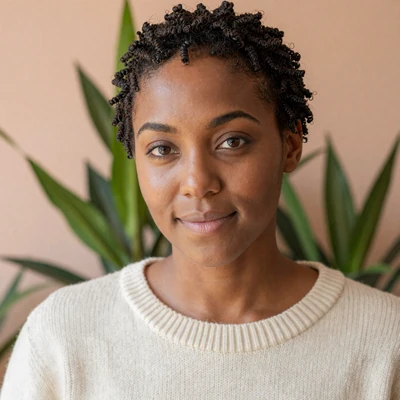
 Bipolar II
Amara T.
Bipolar II, nonprofit program manager, early riser, big on Sunday farmers markets. Love a match who knows the difference between a quiet week and a red flag.
Lovery-mail is a bipolar dating community for people who want real love without pretending their diagnosis does not exist. Match with singles who understand episodes, disclosure fatigue, and the rhythm of a whole-person partnership — and who stay through the waves.
Free forever tier · Mental-health-literate community · No disclosure pressure

Figures from our 2026 community report and peer-reviewed mental-health research, focused on U.S. members living with bipolar disorder.
Bipolar relationships do not look like the movies. They are not tragic love stories, and they are not ticking time bombs. Most days, a bipolar relationship looks like any other relationship: shared coffee, grocery runs, Tuesday reruns, a long voice note about nothing in particular. The difference is that both people are a little more fluent in weather forecasting — noticing shifts, naming them, and adapting without panicking.
On mainstream apps, dating with bipolar disorder often means choosing between two bad options: hide the diagnosis until someone is already attached, or lead with it and watch matches evaporate. Neither feels honest. Neither feels safe. The third option — a community where bipolar is already understood as part of a whole person — barely exists outside of specialist platforms. That is the gap Lovery-mail is built to close.
You are not a diagnosis with a person attached. You are a whole person who happens to have weather.
A 2025 paper in the Journal of Affective Disorders found that couples where at least one partner has bipolar disorder report significantly higher satisfaction when the non-bipolar partner has basic psychoeducation about mood episodes — or when both partners live with a mood disorder themselves. Understanding, not absence of illness, is the compatibility variable. On Lovery-mail, that understanding is the baseline, not the bonus.
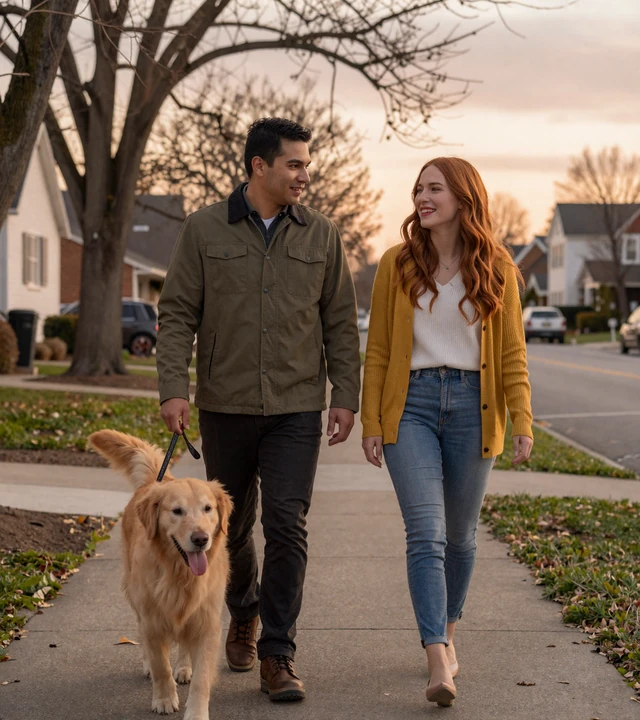
Partnership in a bipolar relationship is not about preventing episodes or monitoring your partner like a hospital chart. It is about building a shared language and a shared plan for the full mood spectrum — hypomania, euthymia, and depression — before any of them arrive.
Couples who do this well tend to share three habits: they name shifts early without making them shameful, they agree on what support looks like in each phase (more calls, fewer stimuli, a specific playlist, a trusted clinician's number on the fridge), and they protect the euthymic middle — the calm weeks — as the real baseline, not a lull between storms.
Episodes are not a failure of love. They are a nervous-system event that love can be present for. A supportive partner does not try to fix the weather. They bring a jacket and stay.
Looking for scripts and frameworks? Our partner expectations guide and communication in relationships article go deeper.
A grounding reframe for episodes
Episodes are information, not identity. A depressive episode does not mean your partner has stopped loving you; a hypomanic episode does not mean the whole relationship was a high. Build one shared sentence you can both text in either direction — something like “weather shift, still here, still us” — and use it early. The sooner you name it, the less work it takes to hold.
There is no single right moment to tell a match you have bipolar disorder. There is only the moment that matches your safety, your energy, and the stage of the connection. Here are three patterns our members use — pick the one that fits you.
Naming bipolar openly on your profile filters out incompatible matches before the first message. It costs you some swipes and saves you weeks of emotional labor. Popular with members who have disclosed often and are done explaining.
After chemistry is real but before emotional investment is deep. You have enough signal to trust them; they have enough context to hear you as a whole person. Most common choice on Lovery-mail, per our 2026 member survey.
You wait until you are deciding whether this is a serious relationship, then tell them with space to breathe and react. Works best when your mood is stable and you have your support systems in place.
What a good disclosure conversation sounds like
Keep it short, calm, and specific. A rough template that members have found useful:
On Lovery-mail, many members disclose via our optional profile badges, which takes the verbal pressure off entirely.
Compatibility for bipolar dating is less about personality type and more about emotional literacy. The people who make great partners are not necessarily the ones with perfect mental health — they are the ones who can stay regulated when you are not, and who know the difference between supporting you and rescuing you.
Here is a practical list of green flags members have identified through our Q1 2026 community survey. Watch for these in conversations, in profiles, and on early dates.
Want a longer framework? See our emotional compatibility guide and online dating safety tips.
A snapshot of bipolar singles you might meet this week on Lovery-mail. Shared with written consent; surnames redacted.
Bipolar II
Bipolar II, nonprofit program manager, early riser, big on Sunday farmers markets. Love a match who knows the difference between a quiet week and a red flag.
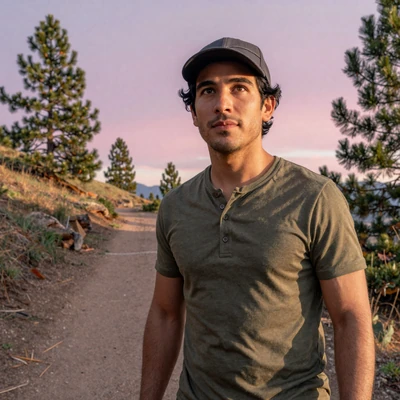 Bipolar I
Bipolar I, in remission 4 years, trail runner and terrible at karaoke. Looking for someone steady, curious, and patient with quiet weeks.
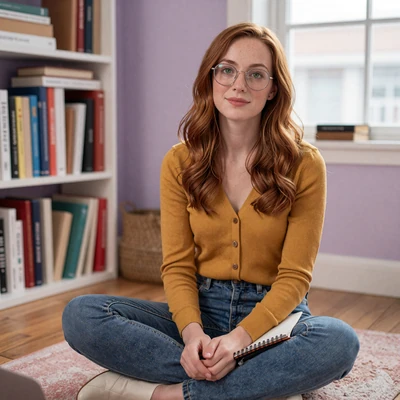 Cyclothymia
Cyclothymia + ADHD, graphic illustrator, iced coffee in February. Big feelings, small apartment, huge bookshelf. Slow texters welcome.
I matched with Jordan six months after my last depressive episode. I told him on our second date, flat and plain. He asked what a hard week usually looks like for me. Not whether I was dangerous, not whether I was medicated — what it looks like. A year in, he still asks. That is the difference.

Bipolar members often overlap with these neighboring communities. You can belong to more than one — most of us do.

Match with neurodivergent singles who get hyperfocus, RSD, and time-blindness. Shared vocabulary, shared rhythm, less explaining.
Dating with PTSD, trauma-informed partners, and matches who respect triggers, boundaries, and the slow work of safety.
Read our full guide to realistic expectations in interabled relationships →
Real questions from our community, answered by our mental-health-literate moderation team.
Lovery-mail is an inclusive disabled dating site that includes a dedicated bipolar community. You can filter for bipolar I, bipolar II, cyclothymia, and broadly mental-health-literate matches during signup. Signup is free, no diagnosis paperwork required.
There is no single right moment. Many Lovery-mail members disclose around the third date, after chemistry is real but before deep emotional investment. Others name it on their profile to filter early, and some wait until exclusivity is on the table. Pick the pattern that matches your safety and energy — all three are valid.
Yes. Research in the Journal of Affective Disorders shows bipolar couples report high relationship satisfaction when both partners have basic psychoeducation or when both live with a mood disorder. Stability is built through shared language around episodes, mutual support systems, and protecting the calm weeks as the real baseline.
Dual-bipolar couples are common on Lovery-mail and often report high compatibility because both partners speak the same mood-weather vocabulary. The key practice is staggered support: agreeing that you will not both spiral at the same time without calling in an outside support person, and keeping your individual clinical teams active.
Our platform includes a pause-profile toggle that hides you from matching without deleting your account, a soft-block feature for matches you want space from, and easy access to U.S. mental-health crisis resources in the footer. We also do not use pushy engagement nudges that punish you for quiet weeks.
Yes. All core features including profile, matching, messaging, safety tools, and the bipolar community filter are free forever. Optional premium add-ons exist but are never required. No credit card is requested at signup.