
Why real stories matter more than dating advice
Most dating advice is a shopping list: update the bio, pick flattering photos, ask better questions. Useful, but thin. When you are dating with a disability, the honest question is not “what line should I send?” — it is “will a stranger still see me as a whole person after the third message?” That question has never been answered by a checklist. It has only ever been answered by other people who lived it and came out partnered.
So instead of another listicle, we asked five couples from our community if we could publish their stories. They said yes. Each one signed up on Lovery-mail between 2023 and 2025. Each one had been on at least two mainstream apps before. Each one told us the same thing in different words: the moment they stopped translating themselves for strangers is the moment someone actually showed up.
“I stopped writing a dating profile and started writing a letter to the kind of person I already loved. Within a month, he wrote back.”
Long-distance to forever: Maya and Jordan's video-call courtship
We talked on video for four months before we met. By the time he walked into the airport, I already knew the shape of how he thinks. The hug was just a formality.
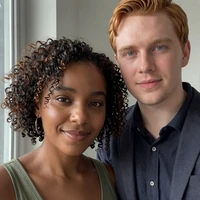
Maya has a chronic illness that flares unpredictably; Jordan is hard of hearing and reads lips. On Tinder, both of them had learned to hide those details until a fifth date that usually never arrived. On Lovery-mail they matched on a Tuesday, video-called on a Wednesday, and spent the next four months on two-hour video dates scheduled around Maya’s pain windows and Jordan’s quiet-room availability.
The courtship looked unglamorous from the outside — kitchen tables, pajama tops, captions turned on. From the inside, it was the safest dating either of them had ever done. No surprise loud bars. No pressure to stand for an hour. No ambush disclosure conversations. By the time Jordan flew to Portland in month five, they had already navigated a bad flare, a cancelled plan, and an accidentally offensive joke about his hearing aids — and survived all three. They got engaged in October 2025.
What they credit: treating video dates as real dates, not a waiting room for “real life.” More on how we built that approach into the platform in communication in relationships.
Neurodivergent love: how two autistic adults found each other
Devon and Riya both spent their twenties masking through dates that left them exhausted and still alone. Riya was diagnosed autistic at 29; Devon at 31. When they joined Lovery-mail within a week of each other in early 2024, both had checked a single box on their profile: “I need to stop performing.”
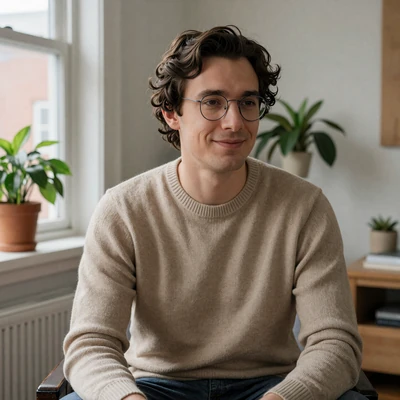 Autistic · He/him
Devon
Autistic software engineer, passionate about cephalopods and quiet sensory-friendly restaurants. Looking for slow mornings and honest conversations.
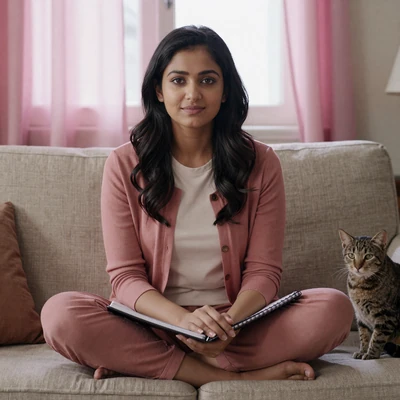 Autistic · She/her
Riya
Late-diagnosed autistic illustrator. I communicate better in writing than on the phone. I love cats, infodumps, and weighted blankets.
Their first message exchange was a 900-word text each. No small talk, no “hey you,” no assumption that either of them had the energy to decode tone. Devon listed his sensory limits. Riya listed hers. They agreed their first in-person date would be a quiet bookshop followed by a walk with permission to go silent whenever either of them needed a break. It was the first date either of them had ever come home from not needing a two-day recovery.
Two years later they live together. The rules they wrote for that first date — explicit access needs, permission to go quiet, no unspoken scripts — are still the rules they run their marriage on. If their story resonates, our autism dating community and emotional compatibility guide go deeper into how neurodivergent pairings actually click.
Wheelchair-user couples: Sam and Priya's story of showing up
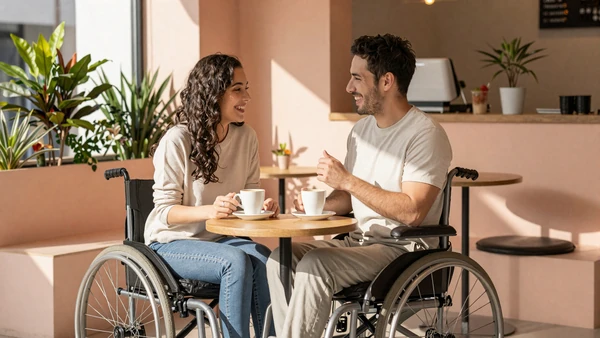
Our first date was a Thursday at 2 pm in a step-free cafe with a bathroom we both actually fit in. It sounds unromantic. It was the first date of my life where I didn't spend the whole time apologizing for my body.
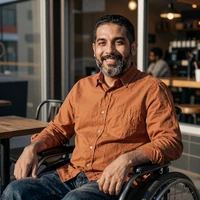
Sam has used a manual chair since a spinal cord injury at 19. Priya was born with cerebral palsy and uses a power chair. They had both dated non-disabled partners who treated their chairs as an obstacle to be endured. Dating each other, they say, was the first time “access” stopped being a conversation and became a given.
Their first date was forty-five minutes long on purpose. Their second was three hours, because neither of them wanted to leave. They married in a step-free barn venue in October 2025 with fourteen wheelchair users in the wedding party. Sam credits Lovery-mail’s venue filter for finding the place; Priya credits the platform for matching her with someone who understood, without being told, why a 7 pm dinner reservation can be a bad idea. Their longer story lives on our success stories page.
Lessons these disabled and dating couples taught us
Five patterns we keep hearing
- The word “accessible” belongs in the first three messages. Not as a test — as logistics, like agreeing on a time.
- Video dates are not a consolation prize. For chronic illness, long-distance, Deaf, and sensory-sensitive daters, they are often the real first date.
- Slower is safer, and safer is hotter. Every couple we talked to took longer than average to meet in person. None of them regretted it.
- Shared vocabulary beats shared diagnosis. Two autistic partners can still clash; two people who name their needs out loud almost never do.
- The platform sets the temperature. On apps where disability is hidden, disclosure becomes a grenade. On platforms built for dating4disabled singles, disability is already on the table — and the conversation can finally move.
More from the community
Success Stories
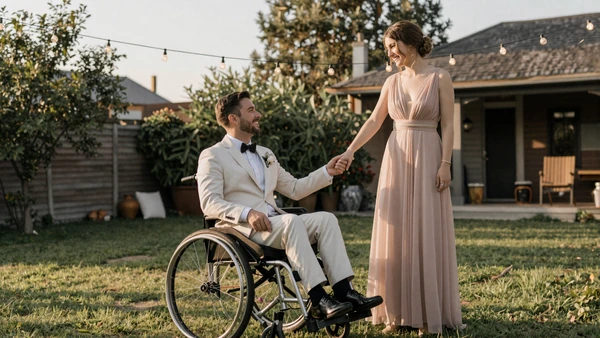
A longer archive of couples who met on Lovery-mail — wedding photos, anniversaries, and the honest parts in between.

Autism Dating
Sensory-friendly date ideas, unmasking, and neurodivergent matches who communicate in writing first.
Wheelchair Dating
Accessible first-date scripts, venue scouting, and real wheelchair-user couples on what finally worked.