
 ADHD
ADHD
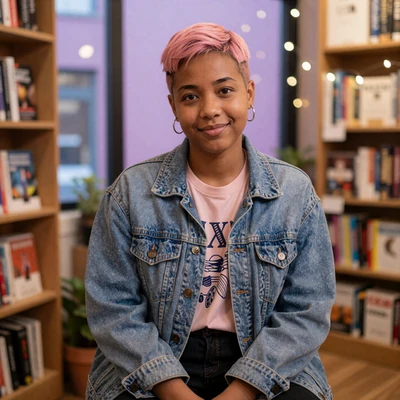
Maya R.
Combined-type ADHD, graphic designer, plant hoarder. Will hyperfocus on your playlists. Please send me niche museums.
Lovery-mail is where ADHD dating stops feeling like a performance review. Match with neurodivergent singles who already know what time-blindness, hyperfocus, and rejection sensitivity feel like — so you can stop explaining and start connecting.
Free forever tier · ADHD-friendly UX · Low-pressure matching
Figures from our 2026 community report and independent neurodiversity research, focused on U.S. ADHD members.
Dating with ADHD is not what the memes tell you. It is not “forgetting anniversaries and being quirky.” It is a nervous system that loves fast, loses time, remembers the exact color of your match’s shirt from three weeks ago, and panics at a two-word text reply. Most days it is ordinary: you text, you plan, you flake once, you show up with wildflowers the next time to make up for it.
On mainstream apps, ADHD daters get hit by three specific traps. The novelty dopamine burst of a new match fades before the first date is scheduled, so half the conversations die at “what do you do for fun?” Executive-function taxes pile up until replying to a nice message feels like filing taxes. And then rejection sensitivity steps in: a slow reply is read as a rejection, the brain catastrophizes, and the ghosting becomes mutual before anyone has actually done anything wrong.
ADHD love is not less deep. It is differently timed. The goal is not to fix the timing — it is to meet someone whose rhythm runs on the same clock.
A 2025 study in the Journal of Attention Disorders found that couples where at least one partner had ADHD reported higher overall relationship satisfaction when the non-ADHD partner had formal education about executive function — or when both partners were neurodivergent. Translation: understanding is the compatibility variable that matters most. On Lovery-mail, that understanding is baked into who you are matching with in the first place.
Two forces shape ADHD dating more than any other: hyperfocus and rejection sensitive dysphoria. They are the reason ADHD love can feel like the best and worst thing you have ever experienced — sometimes in the same afternoon.
Hyperfocus at the start is electric. You learn their coffee order, their sibling’s name, the weird thing their dog does. You reply in three seconds. You plan a weekend trip by week two. Your match is deeply flattered. Then the dopamine shifts, the brain moves on, and the pace suddenly feels unsustainable — not because you care less, but because your nervous system has changed channels. Matches who do not know what this is read it as interest dropping. Matches who do know can ride it out with you.
Rejection sensitive dysphoria (RSD) is the other side of the coin. A three-hour delay in a reply, a slightly cooler emoji, a cancelled plan — and the ADHD brain whispers they hate you, it is over, you ruined it. This is not drama. It is a documented neurological response. Seventy-seven percent of ADHD adults report RSD, and the dating context magnifies it.
A gentle reframe for your RSD spiral
Before you send the long apology text or silently delete your match: pause, name the feeling (“this is RSD, not reality”), and wait twenty minutes. Most of the time, the reply arrives and the spiral dissolves. If it helps, save a note in your phone titled “what RSD feels like” and re-read it when it hits. Our confidence and self-acceptance guide has longer scripts.
Borrowed from community surveys and ADHD relationship coaches — small systems that remove friction before it builds.
Agree upfront that slow replies mean executive function lag, not lost interest. A shared vocabulary for “brain is loading” saves months of miscommunication.
Pick one recurring weekly moment — a Sunday night call, a Wednesday voice note. ADHD brains lose casual rhythms. A small anchor keeps the connection steady.
Phrases like “that landed as RSD for me” or “I need body-doubling time” are shortcuts. Teach them early so you are not explaining mid-spiral.
Texting on voice call while you both fold laundry beats another pressure-loaded “tell me about your day” text thread. Parallel presence is its own love language.
Important asks get written. ADHD working memory drops spoken details. A quick voice note or text leaves a re-readable trail that both partners can return to.
Counterintuitive but it works: put “spontaneous date night” on a shared calendar. The structure lets the spontaneity actually happen instead of drifting.
Want deeper scripts? Read our communication in relationships guide.
The classic dinner-and-movie setup is a trap for ADHD brains: too much sitting, too few sensory hooks, too much pressure to sustain eye contact across a small table while also chewing. The good news is that ADHD-friendly dates are often more fun, not less. The trick is movement, novelty, and a natural escape hatch.
More accessibility-aware date planning in our accessibility in dating guide.

A snapshot of ADHD singles you might meet this week on Lovery-mail. Shared with written consent; surnames redacted.
ADHD
Combined-type ADHD, graphic designer, plant hoarder. Will hyperfocus on your playlists. Please send me niche museums.
 ADHD
ADHD
Inattentive ADHD, software engineer, terrible at texting back, great in person. Swipe right for walking dates.
 AuDHD
AuDHD
AuDHD, bookstore barista, writes strange poetry. Parallel play dates only, pretty please.
ADHD members often connect with these neighboring communities. You can belong to more than one — most of us do.

Sensory-friendly date ideas, masking-optional matches, and a community that does not require small talk to prove interest.

Dating with bipolar disorder, disclosure timing, and supportive matches who understand episodes as part of a whole person.
Read our full guide to neurodivergent emotional compatibility →
Real questions from our community, answered by our neurodivergent moderation team.
Lovery-mail is an inclusive disabled and neurodivergent dating site that includes a dedicated ADHD community. You can filter for ADHD, AuDHD, and broadly neurodivergent matches during signup, and our matching algorithm prioritizes shared neurotype when both members opt in. Signup is free and does not require a diagnosis.
No. We welcome diagnosed, self-identified, and on-the-waitlist members equally. Access to ADHD assessment is expensive and gatekept in the U.S., and we refuse to add another barrier. You simply identify as ADHD during profile setup.
Three ways. First, our UI avoids the public “read” receipts and match-expiry countdowns that amplify RSD on mainstream apps. Second, we include optional message prompts that pre-explain slow replies. Third, our blog and in-app resources include RSD scripts and cool-down tools developed with ADHD coaches.
It gets quieter and, for many couples, better. The initial dopamine burst is replaced by a settled rhythm of shared routines, inside jokes, and mutual accommodation. Couples who name the hyperfocus phase upfront are less likely to panic when it shifts. The feeling does not disappear — it stops being the whole relationship.
Absolutely. Plenty of successful Lovery-mail couples are neurotypical-plus-ADHD. We just ask neurotypical members to be genuinely curious rather than trying to “fix” their partner. Our onboarding includes a short ADHD-101 primer for non-ADHD members.
Yes. Our core features — profile, messaging, matching, safety tools, and ADHD community filters — are free forever. Optional premium add-ons exist but are never required to find a match. No credit card is requested at signup.