
The short version
What this guide comes back to
- Your body is not a before picture. It is the one you live in, love in, and date in.
- Internalized ableism is learned — which means it can be unlearned, in small repeated moves, not one big breakthrough.
- Confidence is a practice, not a feeling. You build it on quiet days so it holds up on hard ones.
- You do not need to be “healed” to be loved. You need a community that already sees you as whole.
A 2023 study in the journal Disability & Society found that 68% of disabled adults report lower dating confidence than their non-disabled peers — not because of their disability itself, but because of the accumulated weight of being misread, passed over, or reduced to it. That is not a personal failing. It is a cultural one. And the way out is not an identity makeover. It is smaller, stubborner, kinder than that. Below is what the community has told us actually helps when you are dating with a disability and trying to like the person showing up to the date.
Body image when your body is seen as different
Body image is hard for almost everyone. When your body is also the thing strangers stare at, doctors poke at, and dating apps quietly filter out, it stops being a private struggle and starts being a public one. You are not “bad at body image.” You are doing body image on expert mode, in a world that keeps handing you the wrong mirror.
Here is the reframe that changes the most for our members: your body is not a problem to be solved before you are allowed to be loved. It is the body that will be in the relationship. A partner who needs you thinner, standing, hearing, more symmetrical, or less visibly disabled is not a partner — they are a negotiation you keep losing. The goal of body image work is not to love every inch of yourself every morning. It is to stop outsourcing the verdict.
You do not have to find your body beautiful today. You just have to stop agreeing with people who find it inconvenient.
Practical ground-level moves that our community comes back to: curate your feeds so you see disabled bodies often and casually, not only in inspirational contexts; buy clothes that fit the body you have today, not the one a catalog assumes; photograph yourself in good light on a neutral day so your brain has recent evidence when an old voice tries to tell you an old story.
Reframing the internalized ableism you inherited
Internalized ableism is the quiet voice that tells you your disability is the reason no one stays — a voice you did not write but that uses your handwriting. It gets installed early and runs in the background. You do not argue it away in one afternoon. You catch it, name it, and replace the script. Here are the five reframes community members say moved the needle most.
- From “I am too much” to “I am specific.” Needs are not flaws. They are information. The right person reads them as a map, not a warning.
- From “They will leave when they know” to “Knowing is how I find out.” Disclosure is not a confession. It is a compatibility filter doing you a favor.
- From “I should be grateful anyone is interested” to “I get to choose, too.” Gratitude is not a foundation for a relationship. Mutual choice is.
- From “I am a burden” to “I am a partner.” Interdependence is the adult form of love. Everyone needs help; disabled people are just honest about it sooner.
- From “If I were non-disabled, I would be loved” to “Non-disabled people also struggle to find love.” Dating is hard. Your disability is not the single variable. Removing it would not hand you a soulmate.
A gentle note on healing timelines
You do not have to be fully reconciled with your disability before you are allowed to date. Many of our happiest couples met while still working on self-acceptance — and say meeting each other was part of the work, not a reward for finishing it.
Daily self-worth practices worth keeping
Confidence on a first date is mostly made of what you did the other six days of the week. These are not affirmations on a sticky note — they are small repeatable practices our members keep coming back to because they actually hold up when dating gets hard.
Name one thing your body did
Not how it looked. What it carried you through. A shower, a conversation, a laugh. Evidence beats commentary every time.
Spend time with disabled community
Online, in person, in group chats. Being around people who already understand you reduces the emotional tax of explaining yourself before you can be known.
Practice a clean no
Saying no to a coffee date, a pushy DM, or a medical appointment you do not want. Every honest no makes your yes more real — and more attractive.
Write yourself a one-line profile
Not for an app. For you. “I am someone who ___.” When confidence dips, read it. You wrote it on a clear day for a reason.
Rest without earning it
Rest is not a reward for productivity — it is maintenance for a body that is already enough. Dating from a rested baseline looks and feels different.
Curate who gets access
Not everyone has earned the version of you that is still figuring this out. Protecting your soft spots is self-worth in action.
Real voices on self-acceptance
Our community is the reason this guide exists. These are two voices from Lovery-mail members who agreed to share what actually shifted for them.
I spent years trying to date as the version of me that existed before my amputation. The first date where I wore a short dress and did not apologize for my prosthetic was the first date I actually remembered afterward. He saw me. I let him. That was the whole thing.
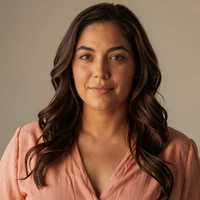
Being a little person, I grew up thinking someone liking me was a bonus round. It took years to realize the people who treated dating me as a novelty were not the prize — they were the filter. The moment I stopped auditioning, I started being chosen.
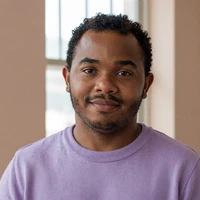
If either of those sound like a version of your own voice you have not said out loud yet, that is the whole point. Self-acceptance rarely arrives as an announcement. It arrives as a shoulder that finally drops when you read a sentence someone else wrote.
Keep reading on Lovery-mail
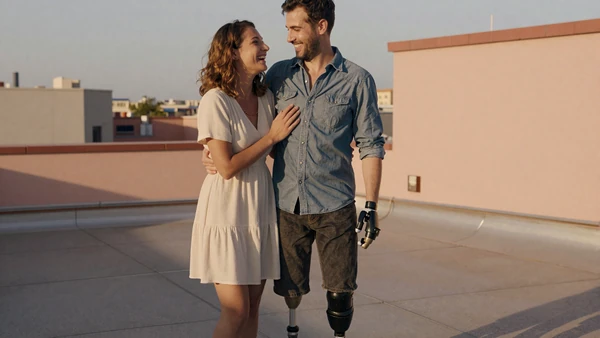
Amputee Dating Site
Body confidence, avoiding fetishization, and amputees sharing what real partnership looks like after limb loss.
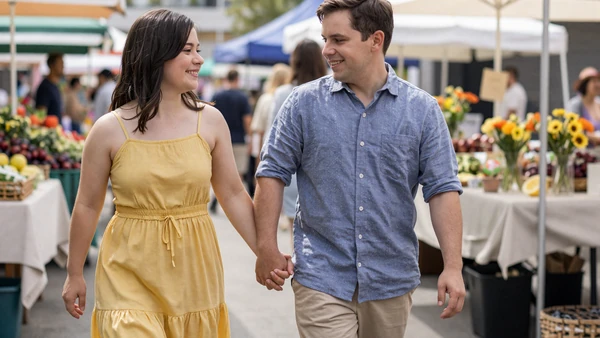
Dwarfism Dating Site
Little people meet in a community that does not treat your height as a punchline — dates, stories, and real connection.
For the broader ground rules that make disabled dating feel different here, our inclusive dating advice guide walks through language, red flags, and what a respectful first message actually sounds like. And if confidence work keeps bumping into the same old patterns, our myths piece names ten of the loudest ones and answers them plainly.