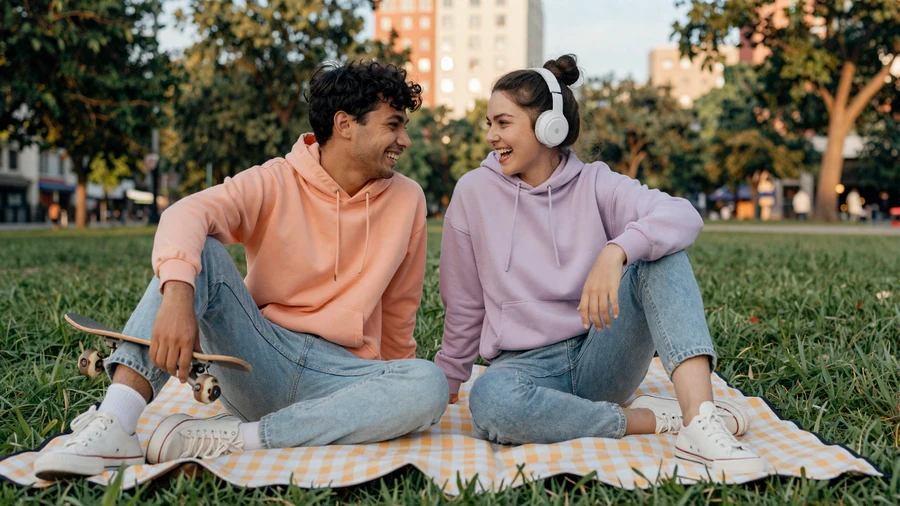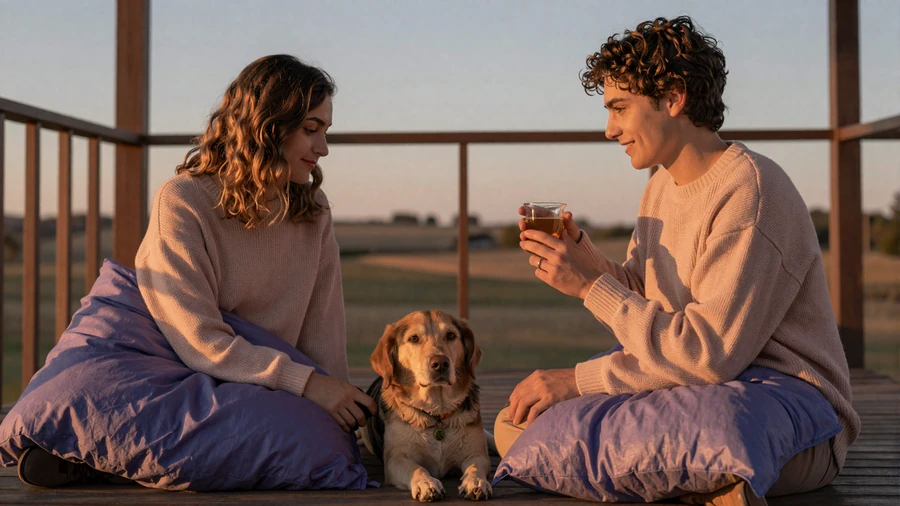
 Autistic
Mira S.
Autistic, library archivist, special interest in mid-century typography. I will explain kerning if you ask. Please ask.
Lovery-mail is the autistic dating site built around how autistic people actually date — direct bios, sensory filters, and matches who already understand info-dumps, stim toys, and a quiet canceled plan. Show up as yourself from message one.
Free forever tier · Neurodivergent filters · Sensory-friendly UI

Data from our 2026 neurodivergent community report, focused on autistic members across the United States.
Dating with autism is not a tragedy and it is not a superpower. Most days it is a very specific logistical puzzle: is this cafe loud, is this person sarcastic, did that text really mean what it said, and how much energy will I have left at 9pm on a Thursday. Autistic dating on mainstream apps often fails because the apps reward a style of communication — performative banter, layered sarcasm, rapid fire — that costs autistic people three times the energy and rarely gets them what they actually want.
A 2025 study in Autism in Adulthood found that 64% of autistic adults on mainstream dating apps had abandoned them within six months, citing sensory overload from push notifications, exhaustion from masking in chats, and ambiguous non-verbal cues in voice and video matches. On Lovery-mail, our autistic dating app is designed against those specific frictions — not bolted on as accessibility, but baked in from the first screen.
The goal is not to make dating easy. It is to make dating honest enough that the easy parts have room to happen.
Our autism community includes late-diagnosed adults, AFAB autistics who masked for decades, high-support-needs members, AuDHDers, and allistic partners who genuinely want to meet autistic people without curing anyone. Identity-first and person-first language are both respected on profiles — you pick what fits.
A note on language
We use identity-first language (“autistic person”) by default because the majority of autistic adults in recent community surveys prefer it. Members can override their own profile wording at any time — including “on the spectrum,” “Aspie,” or “person with autism” if that is what fits you.
Six date formats our autistic members rate highest, ordered by how low-demand they feel. All are swap-friendly if energy drops day-of.
Pick an independent cafe, sit by a window, arrive fifteen minutes early to settle. Morning light is softer, music is lower, and the social demand is half of an evening drink.
A park with a marked loop gives you a clear start, middle, and end. No decision fatigue about where to go next, and movement absorbs the awkward pauses.
Browse separately for twenty minutes, meet at the coffee counter, share one find each. Reduces direct-gaze pressure and gives the conversation natural fuel.
Pottery class, board game cafe, climbing wall. A shared task means the conversation is a bonus, not the entire job. Hyperfocus is allowed.
Acoustic shows, house concerts, daytime orchestra rehearsals. Bring loops or earplugs, sit near an exit, agree on a leaving signal in advance.
Voice-only dates work better than most first-date formats — no face-masking, no eye-contact math, no outfit anxiety. Thirty minutes, soft cap.
Masking is the long-running performance autistic people run to pass as neurotypical — eye contact you do not want, tone you have to calculate, small talk you practice in the shower. It works. It also costs a fortune in energy, and research from the University of Portsmouth (2024) links chronic masking to burnout, late-life depression, and a measurable drop in relationship satisfaction among autistic adults.
Unmasking on a dating app is terrifying for a specific reason: you have learned that your unmasked self is what gets ghosted. Lovery-mail tries to change that calculus by filling the room with people who also want to stop performing. When the default population around you is neurodivergent, the cost of honesty drops. You can write “I go non-verbal sometimes after work” in your bio and nothing bad happens. You can say “I need twelve hours between dates” and it sounds like information, not a red flag.
A gentle permission slip
You do not owe anyone a diagnosis story, a pathologized origin, or a “but I function well” disclaimer. Your profile can say what you like, what you need, and what a good Tuesday looks like. That is enough. Our confidence and self-acceptance guide goes deeper.
The version of you that texts someone at 11pm about an octopus documentary is not your social-coping self. That is the self that deserves a partner.
If you are in a mixed relationship — one autistic, one allistic — our partner expectations guide covers negotiating energy, repair scripts for meltdowns, and how to explain shutdowns without apologizing for them.
Our match filters are written in plain language, not clinical checkboxes. You can narrow by sensory-overload tolerance, preferred communication channel, stim-positive attitude, masking-at-work status, and social-battery windows. You can also filter for allistic members who explicitly want to date autistic people — vetted with a short questionnaire so curiosity is not mistaken for connection.
New to the site? Our how it works page walks through profile setup in four steps.
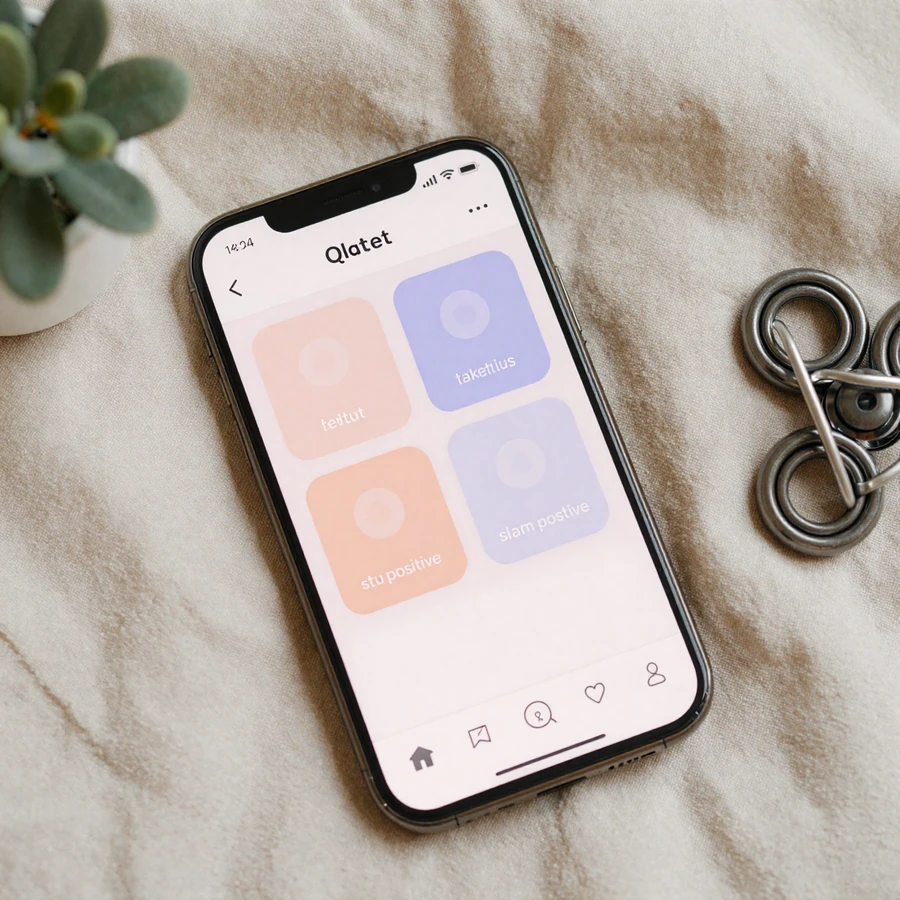
A glimpse of autistic singles you might meet this week on Lovery-mail. Shared with written consent; surnames redacted.
Autistic
Autistic, library archivist, special interest in mid-century typography. I will explain kerning if you ask. Please ask.
 AuDHD
AuDHD
AuDHD, backend developer, terrible dancer, excellent listener. Looking for someone who finds canceled plans romantic.
 Non-binary autistic
Late-diagnosed autistic, non-binary, ceramicist. I stim with clay. Looking for parallel-play energy and shared silence.
Autistic members often connect with these neighboring communities. Explore freely — you can belong to more than one.
The questions our autistic members and their matches ask most often. Missing one? Ask our team.
The best autistic dating site is one that is built around how autistic people communicate, not retrofitted with accessibility features. Lovery-mail launched in 2026 with text-first matching, sensory filters, identity-first language, and a moderation team that includes autistic staff. Members rate our sensory-friendly UI 4.8/5 in our 2026 audit.
Lovery-mail has more than 34,000 autistic members across the United States, searchable by city, sensory-tolerance profile, and neurodivergent identity. Members can filter for local matches within 5, 25, or 100 miles, or browse nationwide for text-first long-distance connections.
No. Profile disclosure is entirely optional. Many members use the “autistic” or “neurodivergent” identity tag because it filters out incompatible matches quickly, but you can leave it off and disclose later — or never. Self-identified autistic members are welcomed the same as formally diagnosed members.
The interface uses soft low-contrast pastels by default, a toggle for reduced motion, and muted notification sounds. Push notifications can be turned off entirely. Message previews are short and scannable, and voice/video calls are opt-in only — no surprise ringing.
Yes. Lovery-mail has a free forever tier that includes profile creation, matching, messaging, and sensory filters. Premium features are optional and do not gate the core experience. You will never be charged without opting in, and there is no credit card required to join.
Yes, and many do. Allistic members complete a short community questionnaire during sign-up that screens for fetishization and curiosity-without-respect. Non-autistic members who want to meet autistic people in good faith are welcome. Members who want to “fix” autism are removed.